

 Residential Energy Storage Solutions
 Commercial & Industrial BESS Solutions
 Residential Energy Storage System
 Commercial & Industrial BESS
 Residential Inverter
 Deep Cycle LiFePO4 Battery


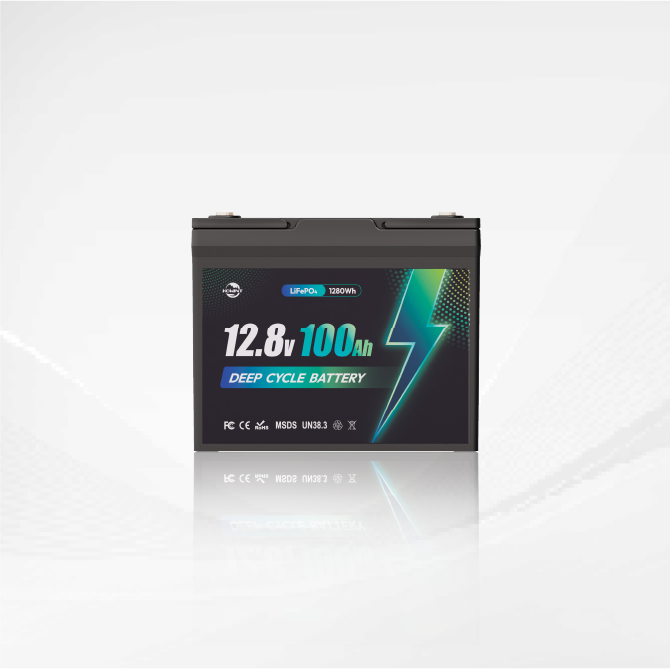
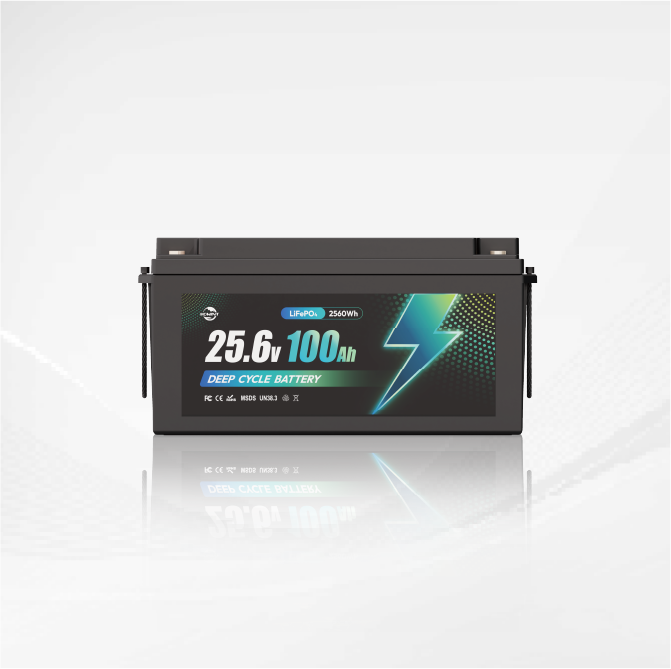
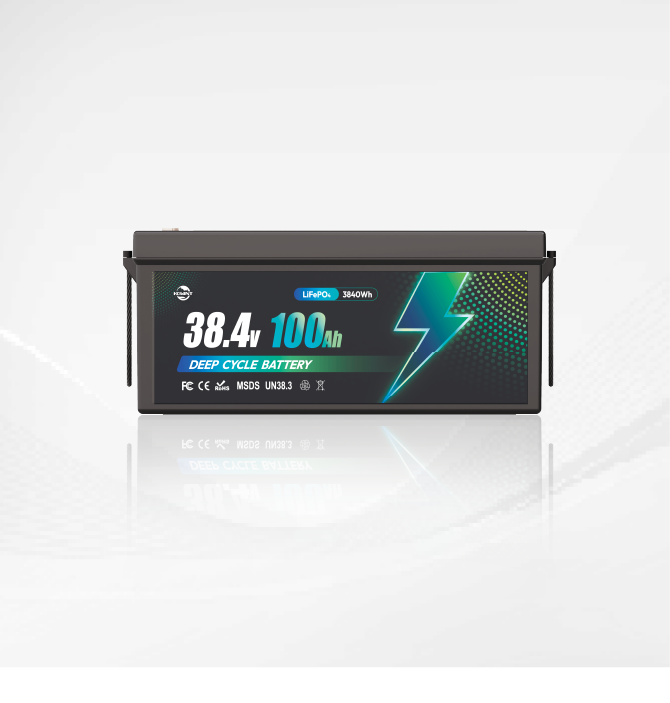
 Datasheet
 Warranty
 FAQ
FAQ Videos
 Technical Support
 Contact Us
 News
News Webinars
 Events
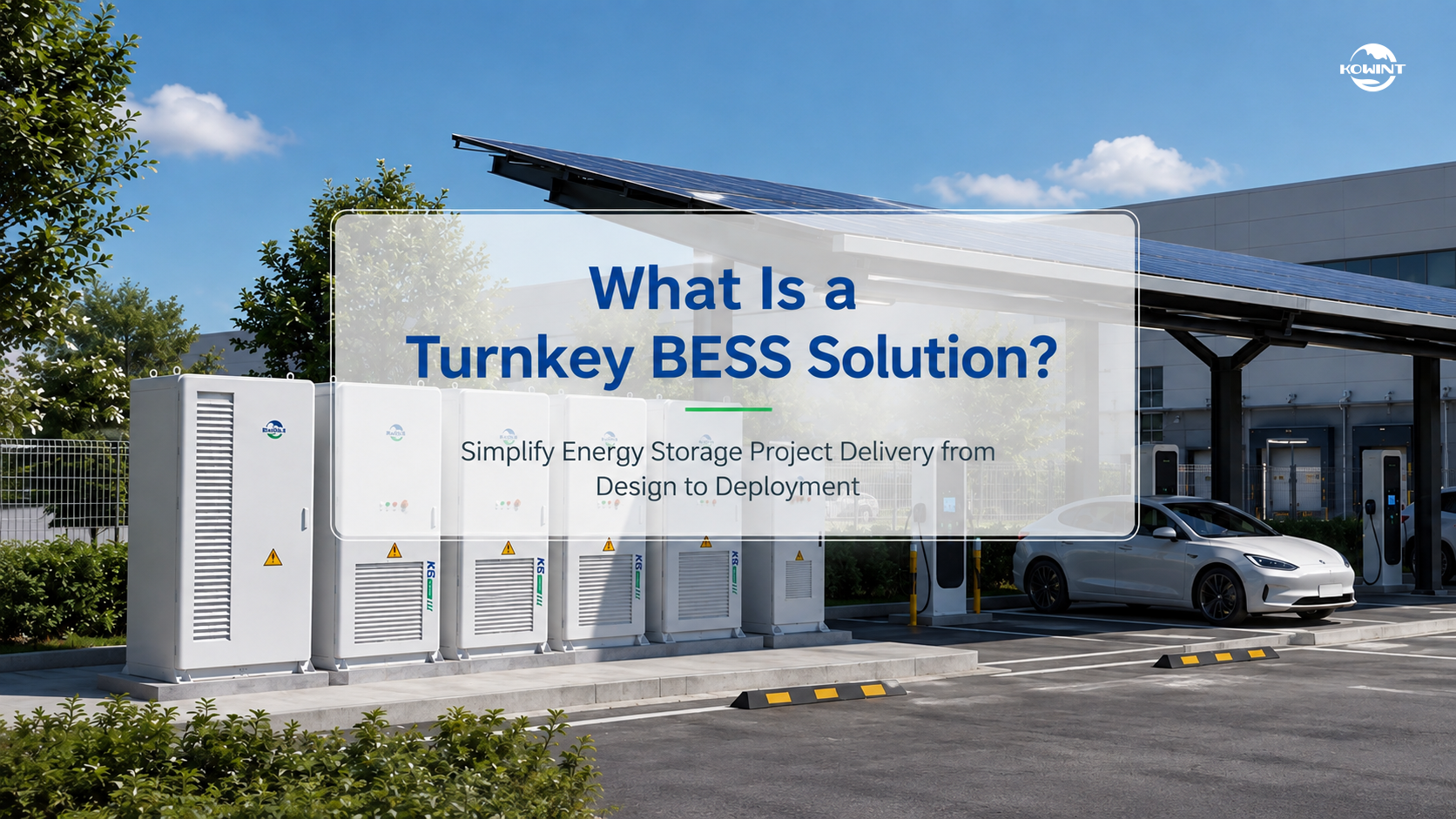
What Is a Turnkey BESS Solution?
For many commercial and industrial energy storage projects, the challenge is not only choosing a battery system. It is also about how the entire project is designed, integrated, delivered, installed, commissioned, and supported after deployment.
A BESS (Battery Energy Storage System) includes multiple components, such as battery cabinets, PCS, EMS, BMS, thermal management, protection systems, communication interfaces, and monitoring platforms. If these parts are sourced or managed separately, project execution can become complex, time-consuming, and difficult to coordinate.
This is why many businesses, EPCs, developers, and installers prefer a turnkey BESS solution. Instead of managing separate suppliers for batteries, power conversion, system control, engineering support, and commissioning, a turnkey model provides a more complete project delivery approach from one experienced energy storage provider.
1. What Turnkey BESS Means
A turnkey BESS solution refers to a complete battery energy storage project package that is designed and delivered as an integrated system. The goal is to make the project easier for customers by reducing coordination work and improving system compatibility.
In a typical turnkey model, the energy storage provider supports key project stages, including system design, equipment configuration, technical documentation, integration support, delivery coordination, commissioning guidance, and after-sales service. The customer receives not just individual products, but a more complete solution designed around project requirements.
For commercial and industrial users, this approach is especially valuable because BESS projects often involve different stakeholders, including facility owners, EPC contractors, installers, utility companies, and local authorities. A turnkey solution helps align these technical and project requirements earlier in the process.
2. Why Project Integration Matters
A BESS project is not successful simply because the battery capacity is large enough. The system must match the site’s load profile, application goal, electrical infrastructure, utility requirements, and operating strategy.
For example, a project focused on peak shaving may require a different system configuration from one designed for backup power, solar self-consumption, or microgrid operation. PCS sizing, discharge duration, communication protocol, protection design, and EMS logic all affect final performance.
A turnkey BESS solution helps reduce integration risks by ensuring that major system components are designed to work together. This is important for project reliability, commissioning efficiency, and long-term operation. When batteries, PCS, EMS, monitoring, and protection systems are properly coordinated, the overall project is easier to deploy and manage.
3. Benefits of a Turnkey BESS Solution
The main advantage of a turnkey BESS solution is simplified project execution. Customers do not need to manage every technical detail across multiple vendors, which can reduce communication gaps and improve delivery efficiency.
A turnkey approach can also help shorten project timelines. When the energy storage provider understands system configuration, technical drawings, communication requirements, and commissioning procedures, the project can move more smoothly from design to deployment.
Another important benefit is accountability. In a fragmented project model, it can be difficult to identify responsibility when system issues occur. With a turnkey solution, customers have a clearer support structure and can work with one provider for technical coordination and service response.
For commercial and industrial projects, this can make a major difference. Energy storage systems are long-term infrastructure assets, so reliable support after installation is just as important as equipment delivery.
4. Choosing an Energy Storage Provider
Selecting the right energy storage provider is critical for a turnkey BESS project. Customers should evaluate more than product specifications or battery capacity. The provider should have strong system integration capability, project experience, technical documentation, certification support, and after-sales service.
A reliable provider should be able to help customers understand how the BESS will operate under real site conditions. This includes reviewing load profiles, application goals, installation environment, grid connection requirements, and future expansion plans.
For North American commercial and industrial projects, customers may also need to consider safety standards, utility interconnection requirements, local installation practices, and long-term service expectations. A good turnkey partner should be able to support these project needs with practical engineering guidance.
5. When Turnkey Delivery Makes Sense
Turnkey BESS delivery is especially useful for customers who want to reduce project complexity. This includes EPCs working on commercial energy storage projects, solar installers expanding into storage, facility owners deploying their first BESS, and developers managing multi-site energy projects.
It is also valuable when the project involves multiple applications. A single BESS may need to support peak shaving, backup power, solar integration, and energy management at the same time. In these cases, system design and control strategy become more important than simply selecting battery capacity.
By working with an experienced energy storage provider, customers can move from concept to implementation with a clearer technical path and fewer integration uncertainties.
6. Kowint Energy’s Approach
Kowint Energy provides commercial and industrial BESS solutions designed to support practical project deployment. Our team works with partners to evaluate project requirements, recommend suitable system configurations, and support key stages of the energy storage project lifecycle.
From system design and technical documentation to delivery coordination, commissioning support, remote monitoring, and after-sales service, Kowint Energy helps customers simplify BESS project execution and improve long-term system value.
For EPCs, installers, developers, and commercial users, a turnkey BESS solution is not just about buying equipment. It is about building a complete energy storage system that can be deployed, operated, and supported with confidence.
7. Conclusion
A turnkey BESS solution helps simplify energy storage project delivery by bringing system design, integration, equipment supply, technical support, and service coordination into one more complete project model.
For commercial and industrial users, this approach can reduce complexity, improve system compatibility, shorten project timelines, and create clearer accountability throughout the project lifecycle.
As BESS projects become more important for peak shaving, backup power, solar integration, and energy cost optimization, choosing the right energy storage provider will play a key role in long-term project success.
About Kowint Energy
Kowint Energy provides residential, commercial, and industrial energy storage solutions for global markets. Our solutions support applications including peak shaving, backup power, renewable energy integration, and intelligent energy management. With reliable battery technology, smart monitoring, and flexible system design, Kowint Energy helps partners build safer, more efficient, and more resilient energy systems.
www.kowint.com | info@kowint.com