

 Residential Energy Storage Solutions
 Commercial & Industrial BESS Solutions
 Residential Energy Storage System
 Commercial & Industrial BESS
 Residential Inverter
 Deep Cycle LiFePO4 Battery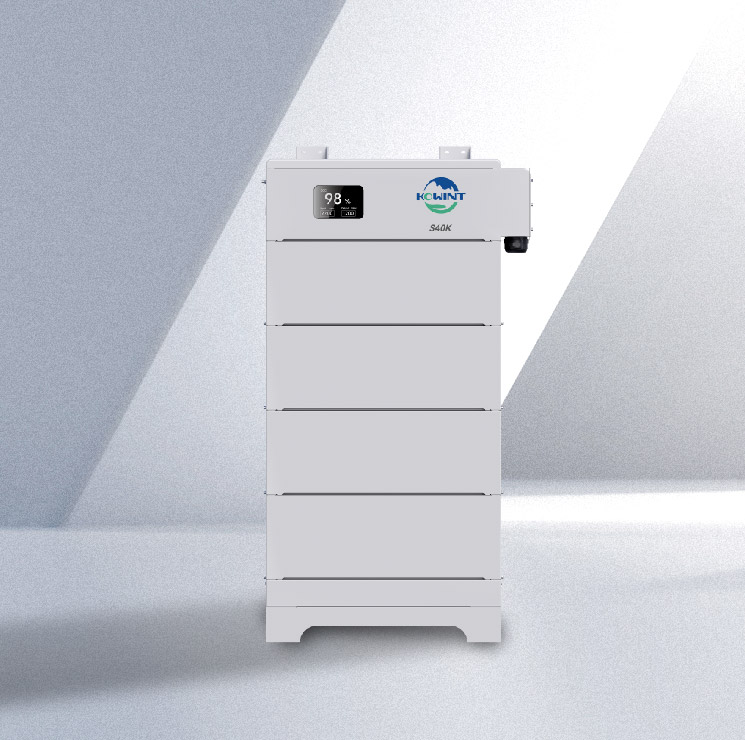



 Datasheet
 Warranty
 FAQ
FAQ Videos
 Technical Support
 Contact Us
 News
News Webinars
 Events
7 Ways BESS Can Reduce Electricity Costs
Commercial and industrial electricity bills are more than just the total energy consumed. Peaks in energy usage can drive up costs significantly, especially under demand-based tariffs. Battery energy storage systems (BESS) help businesses reduce electricity expenses by optimizing energy usage and managing peak demand effectively.
This article explores seven ways BESS can lower electricity costs, from controlling demand spikes to leveraging energy arbitrage, and highlights practical strategies for industrial and commercial facilities.
1. Reducing Peak Demand
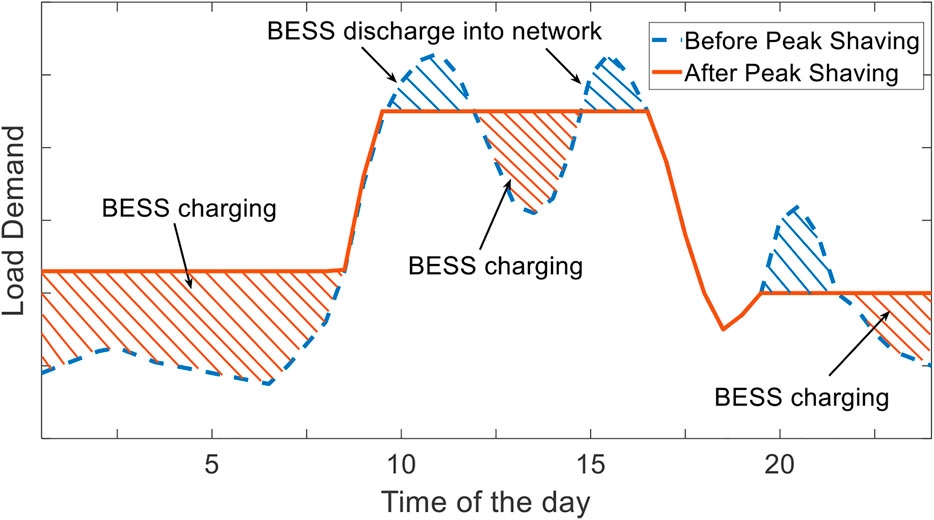
One of the most direct ways BESS reduces electricity costs is by limiting peak demand. Utilities often charge businesses based on their highest energy consumption during billing periods. By discharging stored energy during peak periods, BESS can reduce the recorded peak, directly lowering demand charges.
2. Shifting Load to Off-Peak Hours
BESS enables businesses to store energy during off-peak periods when electricity prices are lower and discharge during high-cost peak hours. This load shifting can help commercial facilities take advantage of time-of-use (TOU) rates and minimize overall energy costs.
3. Supporting Renewable Energy Integration
Integrating on-site solar or wind generation with BESS allows excess renewable energy to be stored and used when demand is high. This reduces reliance on grid power, decreases peak demand, and lowers electricity costs while maximizing the value of self-generated energy.
4. Improving Energy Efficiency
BESS can stabilize fluctuating loads caused by equipment startup, HVAC cycles, or other operational peaks. By smoothing demand variations, facilities operate more efficiently and reduce unnecessary energy waste, further decreasing electricity costs.
5. Enabling Energy Arbitrage
For businesses in regions with variable electricity pricing, BESS allows energy arbitrage—charging during low-price periods and discharging during high-price periods. This strategy converts energy management into cost savings and even revenue opportunities in some markets.
6. Enhancing Grid Reliability and Backup
BESS not only helps reduce electricity costs but also ensures reliable energy supply during short-term outages or grid disturbances. Minimizing operational interruptions prevents costly downtime, indirectly contributing to overall energy cost management.
7. Used Optimizing System Performance with EMS
A modern BESS integrates with an Energy Management System (EMS) to monitor consumption in real time, control battery dispatch, and predict demand spikes. This automated control maximizes savings and ensures that BESS delivers its full potential for cost reduction.
Conclusion
Implementing a battery energy storage system offers multiple avenues to reduce electricity costs. By managing demand, shifting load, integrating renewable energy, and leveraging smart controls, BESS can significantly improve energy efficiency and cost predictability for commercial and industrial facilities.
About Kowint Energy
Kowint Energy delivers commercial and industrial BESS solutions designed to reduce electricity costs, optimize energy usage, and improve operational efficiency for businesses. Our systems are engineered for reliability, scalable deployment, and long-term performance.
www.kowint.com | info@kowint.com