

 Residential Energy Storage Solutions
 Commercial & Industrial BESS Solutions
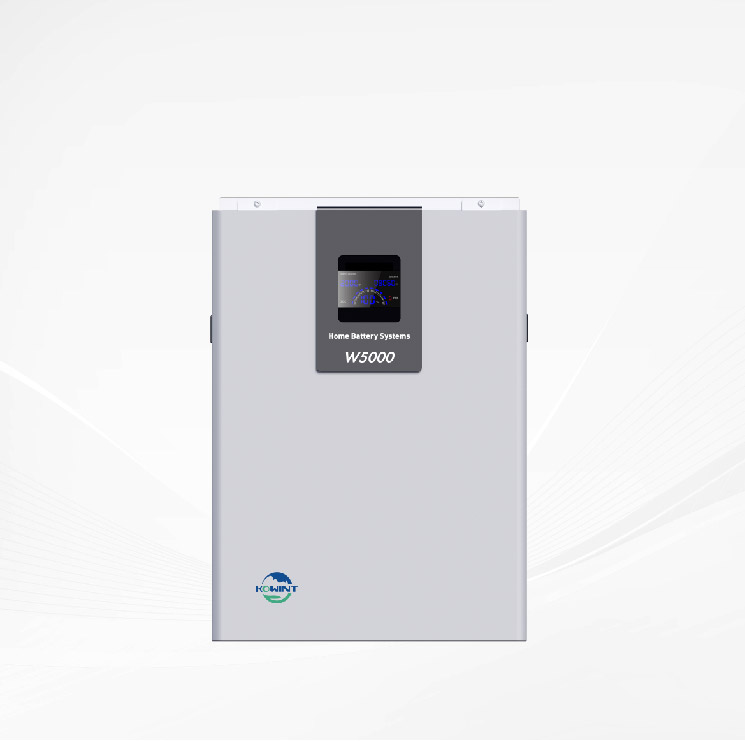
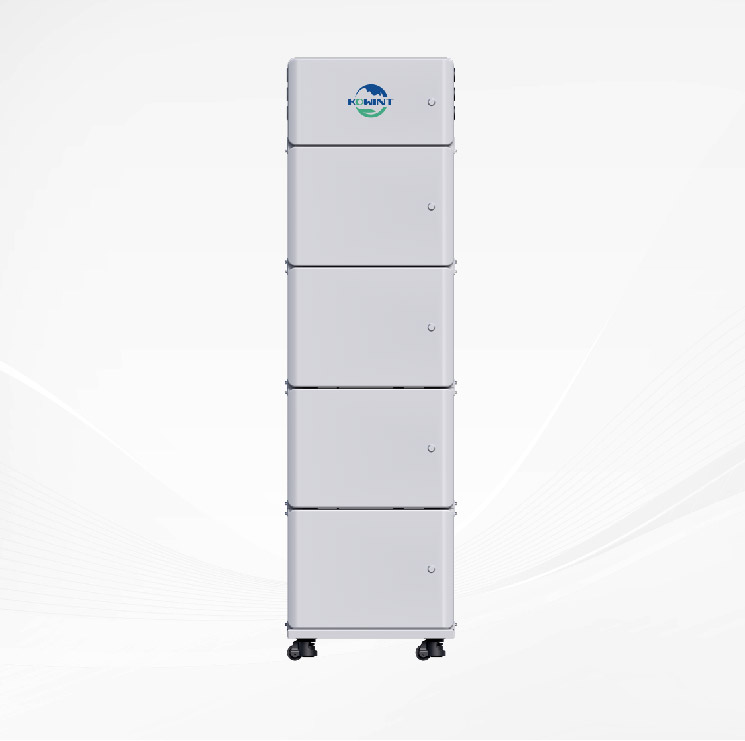
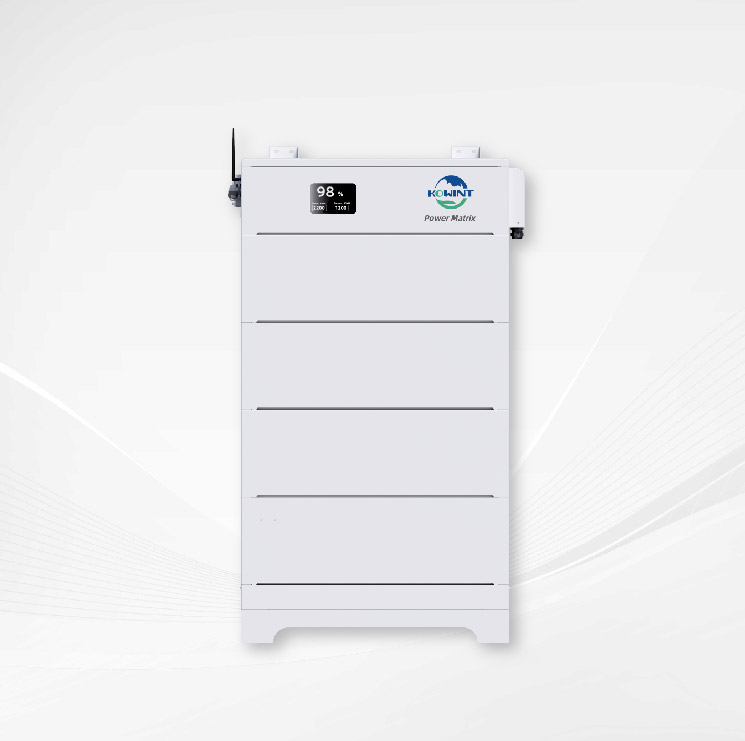
 Residential Energy Storage System
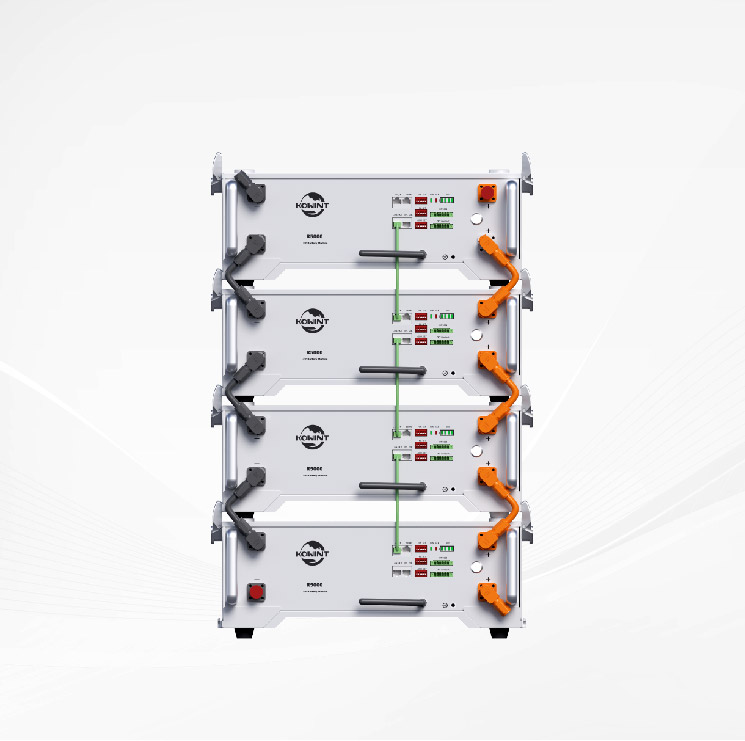
 Commercial & Industrial BESS
 Residential Inverter
 Deep Cycle LiFePO4 Battery
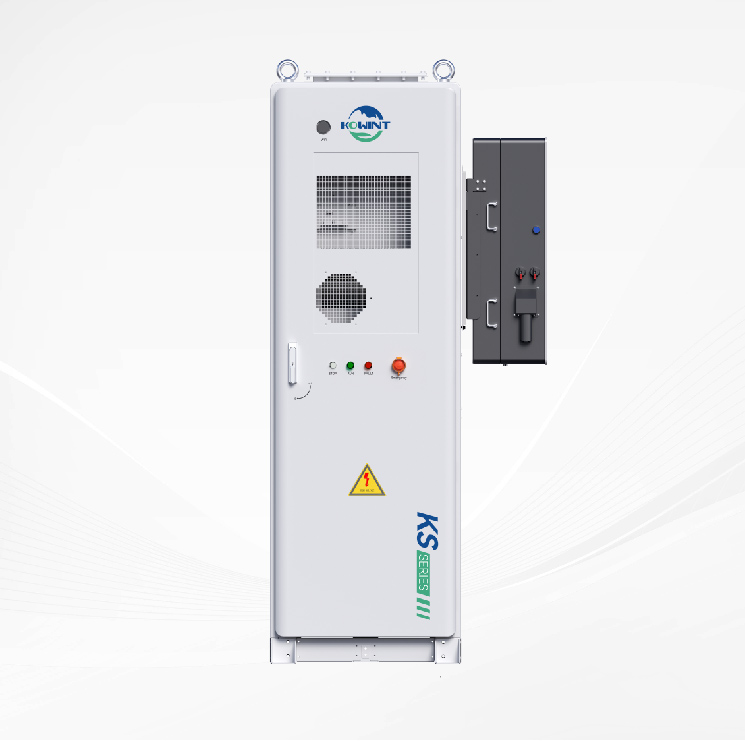


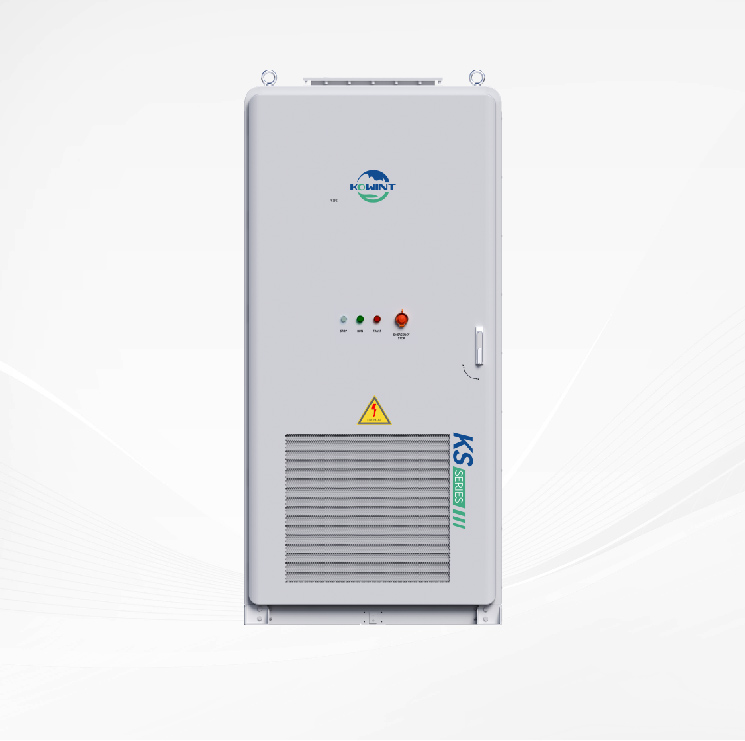
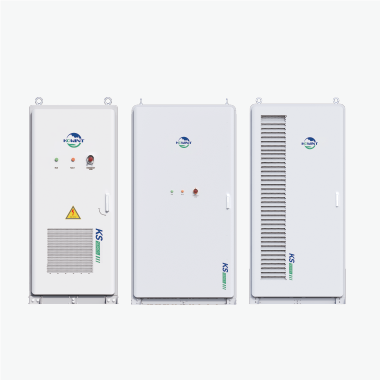
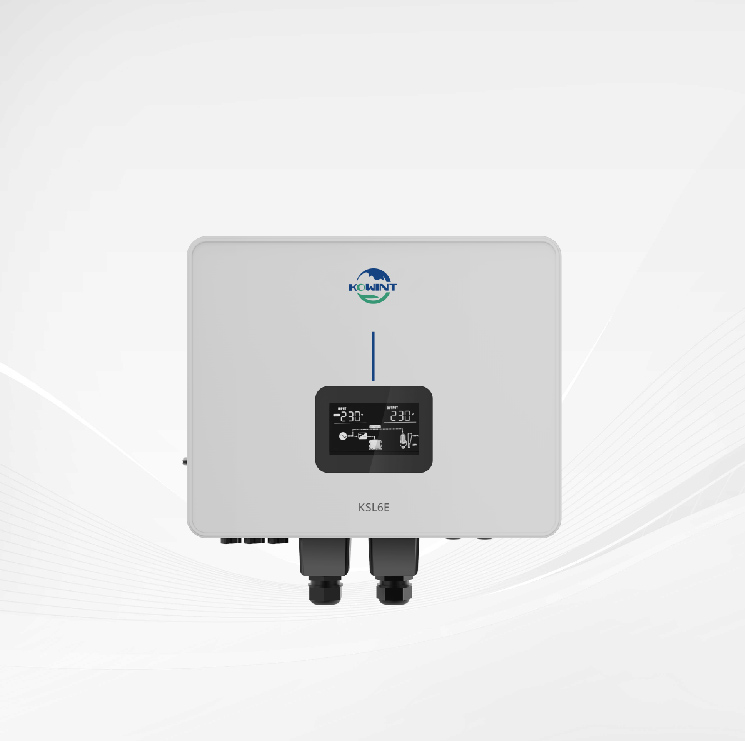
 Datasheet
 Warranty
 FAQ
FAQ Videos
 Technical Support
 Contact Us
 News
News Webinars
 Events
Winter Storm Fern Exposes Power Reliability Risks Across the U.S.
Winter Storm Fern is impacting large areas of the United States, bringing heavy snowfall, freezing rain, and extreme cold. Weather agencies warn that widespread ice accumulation, strong winds, and surging winter electricity demand are placing significant pressure on regional power grids. As temperatures drop and heating loads rise, the risk of power disruptions increases across multiple states.
This storm highlights a persistent challenge for the U.S. energy system: extreme winter weather remains one of the most severe tests of power reliability.
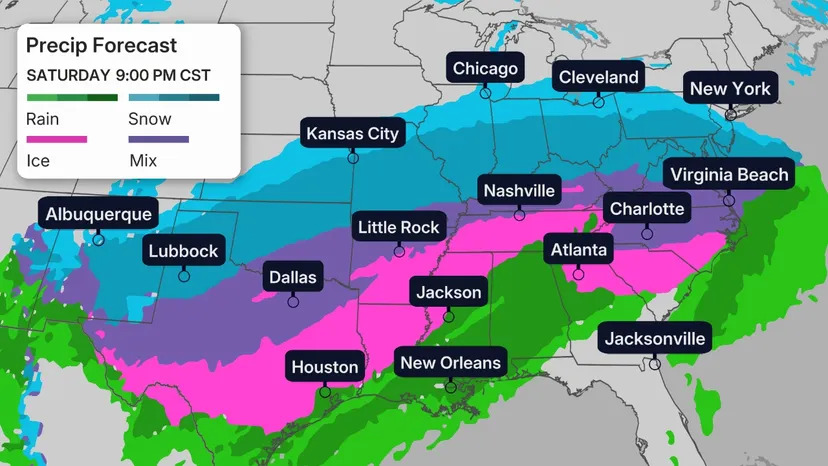
How Winter Storms Stress the Power Grid
Ice and snow present unique risks to energy infrastructure. Frozen precipitation can damage transmission lines and substations, while road conditions slow repair crews and extend restoration times. At the same time, prolonged cold drives electricity demand to seasonal peaks, further straining generation and distribution capacity.
Recent winter events have shown how quickly outages can cascade—affecting transportation, communications, healthcare services, manufacturing activity, and daily life. Storms like Winter Storm Fern underscore the importance of resilient power systems during extreme conditions.
Energy Storage and Grid Resilience
As power systems face growing weather-related stress, energy storage is playing an increasingly important role in improving reliability. When grid supply becomes unstable or interrupted, storage systems can respond instantly to support local power needs.
These capabilities are driving broader adoption of energy storage as a foundational element of resilient energy infrastructure, rather than a temporary or emergency-only solution.
During winter storms, energy storage can:
1. Deliver rapid backup power during outages
2. Support critical loads when grid conditions deteriorate
3. Reduce peak demand pressure during extreme cold
4. Enable localized or islanded power operation when necessary
These capabilities are driving broader adoption of energy storage as a foundational element of resilient energy infrastructure, rather than a temporary or emergency-only solution.
Strengthening Energy Infrastructure for Extreme Weather
Winter Storm Fern reflects a broader trend: extreme weather events are becoming more frequent and more disruptive. In response, energy planning is increasingly focused on resilience. Integrating energy storage with existing power systems helps improve flexibility, reliability, and long-term energy security—especially during periods of severe weather stress.
Wishing Safety During the Storm
As Winter Storm Fern continues to move across the United States, we extend our best wishes to all communities and businesses affected. We hope everyone remains safe, warm, and able to get through the storm smoothly. Reliable energy systems and careful preparation play an important role during times like these.
Stay safe, and wishing a safe passage through the winter storm.
About Kowint Energy
Kowint Energy is a global provider of energy storage solutions serving residential, commercial, industrial, and utility-scale applications. Founded with a focus on safety, reliability, and system flexibility, Kowint supports customers worldwide with scalable energy storage systems, intelligent energy management, and long-term service capabilities—helping enable more efficient, reliable, and sustainable energy use across diverse applications.
Learn more: www.kowint.com | Contact us: info@kowint.com