

 Residential Energy Storage Solutions
 Commercial & Industrial BESS Solutions
 Residential Energy Storage System
 Commercial & Industrial BESS
 Residential Inverter
 Deep Cycle LiFePO4 Battery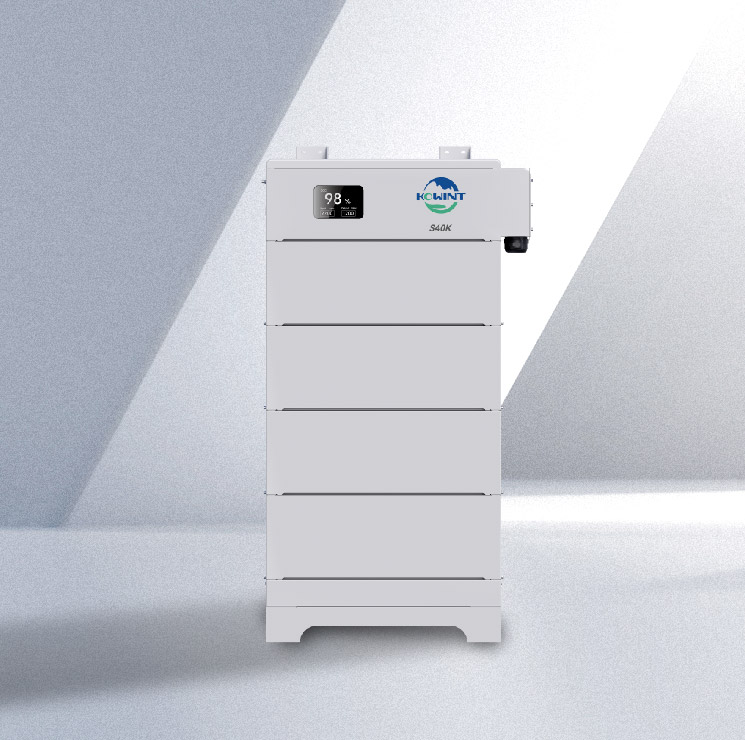
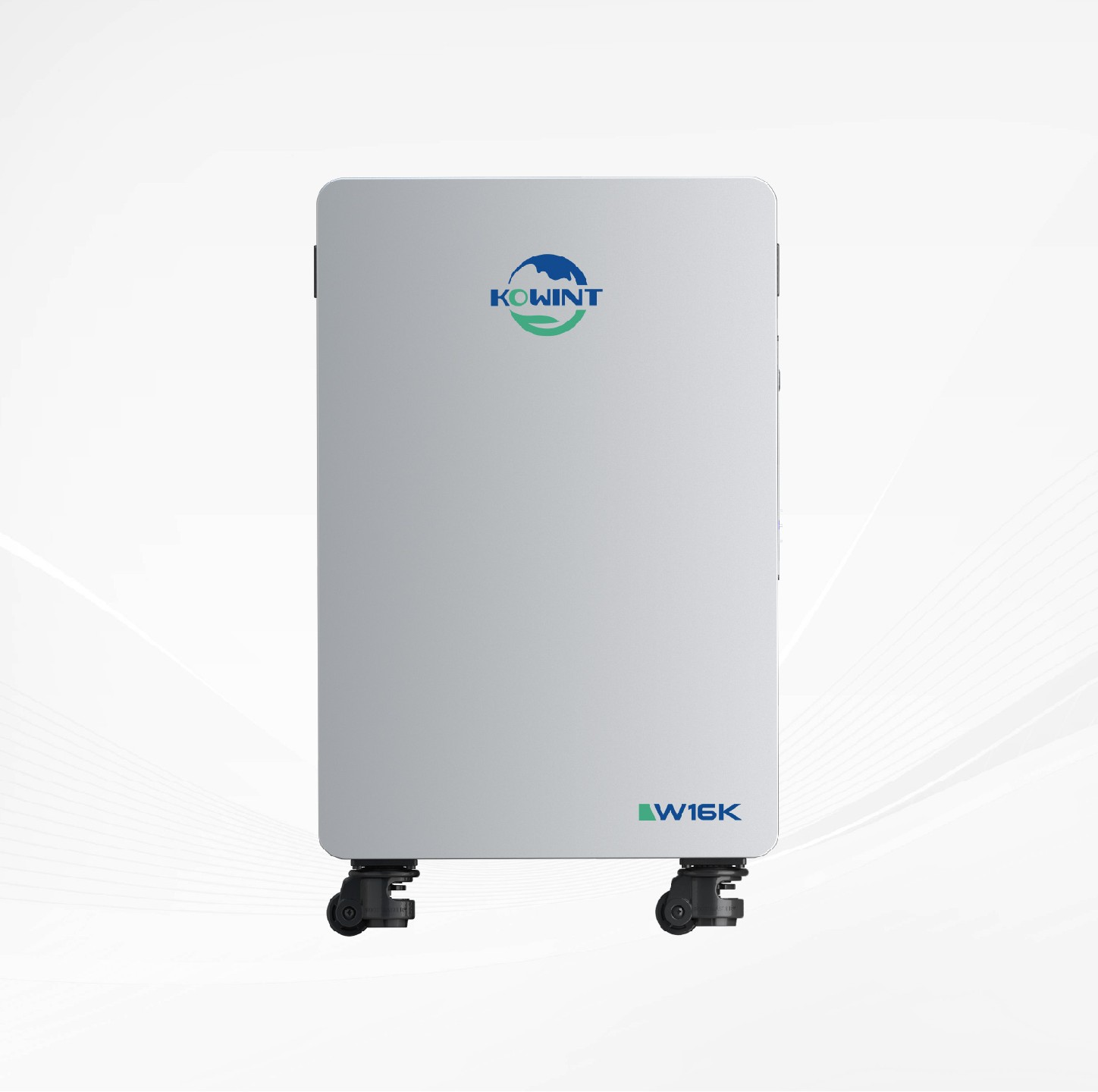


 Datasheet
 Warranty
 FAQ
FAQ Videos
 Technical Support
 Contact Us
 News
News Webinars
 Events
How On-Grid Battery Storage Works Without Solar
Commercial and industrial battery energy storage does not always need to be paired with solar.
For businesses with high electricity demand, time-of-use electricity rates, or significant peak demand charges, an on-grid battery energy storage system can operate directly with the utility grid. The battery charges from the grid during selected periods and discharges when electricity demand or electricity prices are higher.
The Kowint KS-261A is designed for this type of grid-connected C&I energy storage application, supporting both standalone cabinet deployment and multi-megawatt energy storage configurations.
1. How Does an On-Grid BESS Work Without Solar?
In a grid-connected system without PV, the utility grid becomes the primary source for charging the battery.
During off-peak periods, the BESS can charge from the grid. When facility demand increases or electricity enters a higher-cost tariff period, stored energy can be discharged to support the load.
This allows businesses to better control when they draw electricity from the grid rather than relying entirely on real-time grid consumption.
Depending on the local utility tariff and operating strategy, this configuration can support several applications:
1. Peak shaving: Discharge the battery when facility demand approaches a predefined limit, helping reduce peak grid demand.
2. Load shifting: Move part of the facility’s grid consumption from high-demand periods to lower-demand periods.
3. Time-of-use energy management: Charge during lower-price periods and discharge during higher-price periods.
4. Demand response: Where supported by local utilities or grid programs, the BESS can respond to external dispatch requirements.
5. Grid capacity management: Battery storage can help facilities manage short-term increases in power demand without drawing all required power directly from the grid.
2. Why Use Battery Storage Without Solar?
Solar-plus-storage is a common configuration, but solar generation is not required for a BESS to create value.
For sites without suitable rooftop space, facilities where PV installation is restricted, or projects primarily focused on electricity cost management, a grid-connected standalone BESS can provide a simpler approach.
The economic value depends heavily on the local tariff structure. Where there is a meaningful difference between off-peak and on-peak electricity prices, batteries can shift energy consumption between tariff periods. Where demand charges are significant, peak shaving may become the primary application.
This makes grid-connected BESS particularly relevant for factories, manufacturing facilities, warehouses, logistics centers, commercial buildings, EV charging sites, industrial parks, data centers, and other facilities with large or fluctuating electrical loads.
3. KS-261A for Grid-Connected C&I Energy Storage
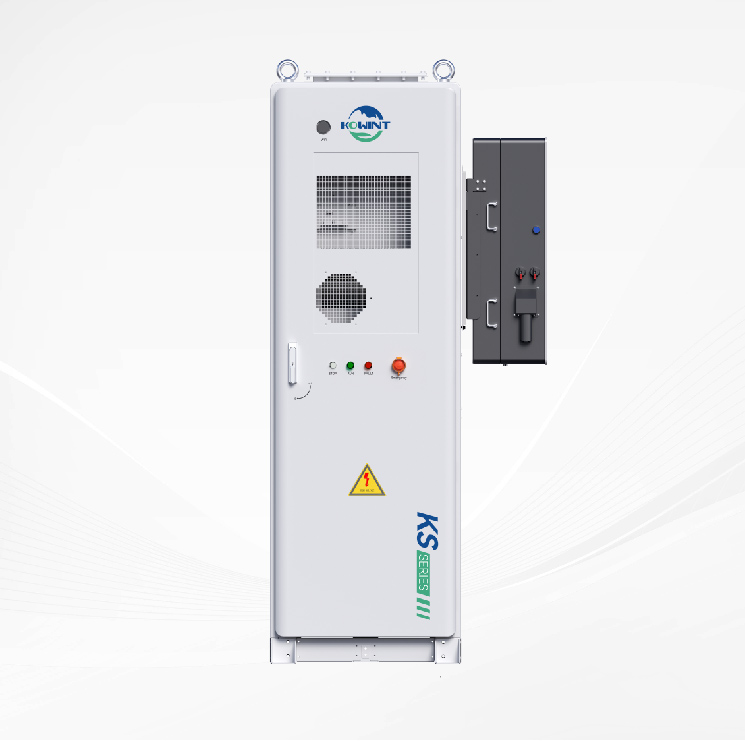
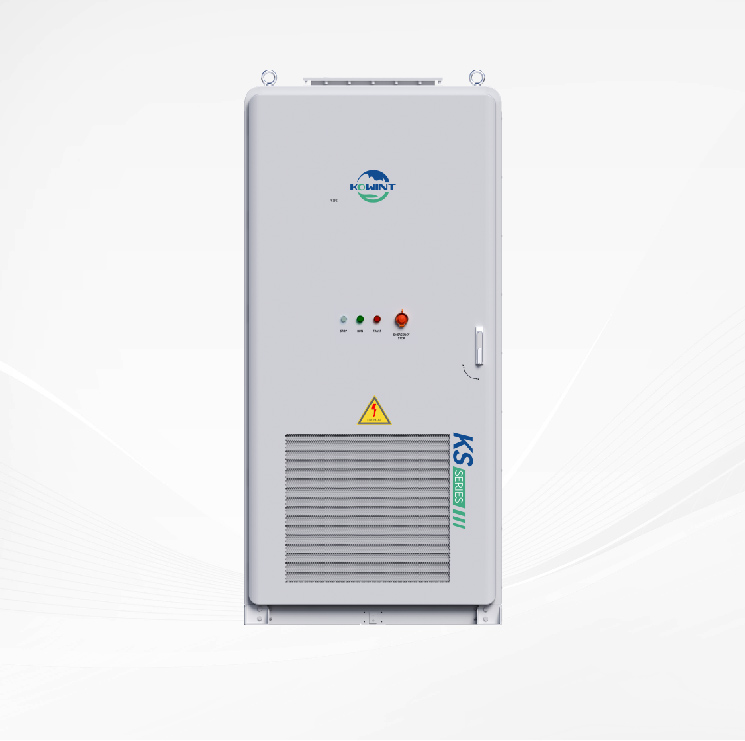
The KS-261A is a liquid-cooled C&I energy storage system designed for scalable commercial and industrial projects. EnEach cabinet provides:
- 261.2 kWh battery capacity
- 135 kW AC output power
- Liquid-cooled LFP battery system
- Integrated PCS and system controls
- Support for on-grid and C&I energy management applications
For smaller projects, individual cabinets can be deployed according to site power and energy requirements.
For larger installations, multiple KS-261A cabinets can be combined into an array and further expanded into a matrix-level architecture.
4. From One Cabinet to Multi-MWh Energy Storage
The KS-261A is designed with a modular architecture, allowing the system to scale according to project size and site requirements.
Kowint Energy KS-261A Liquid-Cooling BESS
A single KS-261A cabinet provides 261.2 kWh of battery capacity. For larger C&I projects, multiple cabinets can be grouped into arrays and further expanded into matrix-level systems.
Typical system configurations include:
Single cabinet: 135 kW / 261.2 kWh
One array with 5 cabinets: approximately 675 kW / 1.306 MWh
One matrix with 20 cabinets: approximately 2.7 MW / 5.22 MWh
For larger projects, multiple matrices can be deployed based on the site’s electrical infrastructure, load profile, and energy storage requirements.
This modular design allows EPCs and project developers to scale the system from a single cabinet to multi-MWh installations without changing the overall system architecture.
5. Multi-Level EMS for Larger BESS Projects
For larger projects, multiple matrices can be deployed based on the site’s electrical infrastructure, load profile, and energy storage requirements.
This modular design allows EPCs and project developers to scale the system from a single cabinet to multi-MWh installations without changing the overall system architecture.
As the number of battery cabinets increases, energy management becomes increasingly important.
The KS-261A system architecture uses multiple levels of energy management:
Cabinet EMS → Array EMS → Matrix EMS → Cloud EMS
At the cabinet level, operating data and system status are managed locally. Multiple cabinets are coordinated through the Array EMS, while the Matrix EMS provides higher-level coordination across larger installations.
Cloud EMS can provide centralized monitoring and energy management for the overall system.
This architecture makes the KS-261A suitable not only for individual commercial sites, but also for larger industrial and multi-MWh energy storage projects.
6. Where Does an On-Grid KS-261A System Fit?
A grid-only KS-261A configuration can be considered when a project has one or more of the following conditions:
1. The facility experiences significant short-duration demand peaks.
2. Electricity rates vary considerably throughout the day.
3. The site does not have PV or does not currently plan to install solar.
4. Additional electrical loads such as EV charging or production equipment are being added.
5. The project requires a scalable BESS platform that can grow from hundreds of kWh to several MWh.
The exact operating strategy should always be determined from the facility’s load profile, utility tariff, interconnection requirements, and target application.
7. On-Grid BESS Does Not Have to Start With Solar
Battery energy storage is often discussed together with renewable generation, but for many commercial and industrial facilities, the battery itself can play an important role in energy management.
By charging from the grid during selected periods and discharging when facility demand or electricity prices increase, an on-grid BESS can help businesses manage how and when they use grid electricity.
With a modular architecture from 261.2 kWh per cabinet to multi-MWh configurations, the KS-261A provides a scalable platform for C&I projects ranging from individual commercial facilities to larger industrial energy storage installations.
About Kowint Energy
Kowint Energy specializes in commercial and industrial and residential battery energy storage solutions, including battery systems, BMS, EMS, battery modules, and integrated energy storage platforms.
With global manufacturing, R&D, warehousing, and technical support capabilities, Kowint Energy works with EPCs, installers, distributors, and project developers to support energy storage projects from system design through deployment.
www.kowint.com | info@kowint.com